By Suzhou Krosino Mechatronic Technology Co., Ltd | 16 March 2026 | 0 Comments
Hard Anodizing vs Regular Anodizing: A Comprehensive Comparison
Hard Anodizing vs Regular Anodizing: A Comprehensive Comparison
Key Differences at a Glance
| Feature | Hard Anodizing | Regular Anodizing |
|---|---|---|
| Coating Thickness | 25-150 μm | 5-25 μm |
| Surface Hardness | 500-700 HV | 200-400 HV |
| Process Temperature | 0-10°C | 15-25°C |
| Typical Applications | Aerospace, firearms | Consumer electronics |
Detailed Comparison
1. Color and Aesthetics
Hard Anodizing: Typically dark gray to black due to increased coating density. Limited color options.
Regular Anodizing: Wide color spectrum including silver, gold, red, blue, and black through dyeing processes.
Regular Anodizing: Wide color spectrum including silver, gold, red, blue, and black through dyeing processes.
2. Process Parameters
- Electrolyte: Both use sulfuric acid (15-20% for hard vs. 10-15% for regular)
- Current Density: 24-36 A/ft² (hard) vs. 12-18 A/ft² (regular)
- Voltage: 40-75V (hard) vs. 12-24V (regular)
3. Coating Characteristics
Hard Coat:
- Surface Roughness: Ra 0.8-1.5μm
- Porosity: 2-5%
- Thermal Stability: Up to 2000°C melt point
- Surface Roughness: Ra 0.8-1.5μm
- Porosity: 2-5%
- Thermal Stability: Up to 2000°C melt point
Regular:
- Surface Roughness: Ra 0.2-0.5μm
- Porosity: 10-15%
- Thermal Limit: 1500°C
- Surface Roughness: Ra 0.2-0.5μm
- Porosity: 10-15%
- Thermal Limit: 1500°C
4. Performance Metrics
Wear Resistance:
Hard coat withstands 100,000+ Taber abrasion cycles vs. 5,000-10,000 for regular
Hard coat withstands 100,000+ Taber abrasion cycles vs. 5,000-10,000 for regular
Corrosion Resistance:
1000+ hours salt spray (hard) vs. 300-500 hours (regular)
1000+ hours salt spray (hard) vs. 300-500 hours (regular)
5. Cost Factors
Hard anodizing costs 30-50% more due to:
- Refrigerated electrolyte systems
- Higher energy consumption
- Longer processing times (60-120 mins vs. 30-60 mins)
- Refrigerated electrolyte systems
- Higher energy consumption
- Longer processing times (60-120 mins vs. 30-60 mins)
6. Industry Applications
Hard Anodizing:
- Aircraft landing gear components
- Hydraulic systems
- Semiconductor manufacturing equipment
- Aircraft landing gear components
- Hydraulic systems
- Semiconductor manufacturing equipment
Regular Anodizing:
- Architectural aluminum extrusions
- Smartphone/computer cases
- Kitchenware
- Architectural aluminum extrusions
- Smartphone/computer cases
- Kitchenware
Technical FAQ
Q: Can hard anodized parts be reworked?
A: Yes, but requires specialized diamond cutting tools due to extreme hardness.
A: Yes, but requires specialized diamond cutting tools due to extreme hardness.
Q: Which process offers better electrical insulation?
A: Hard anodizing provides superior dielectric strength (800-1000 V/mil vs. 500-700 V/mil).
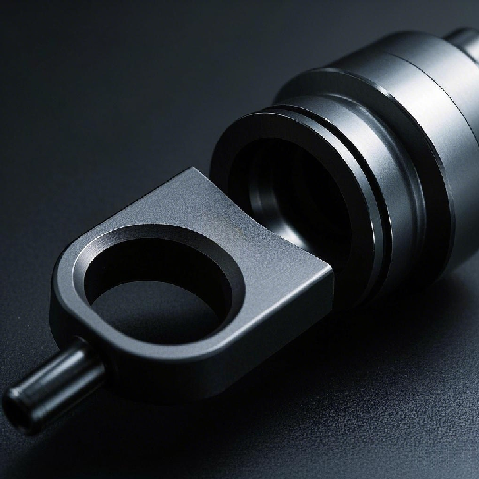
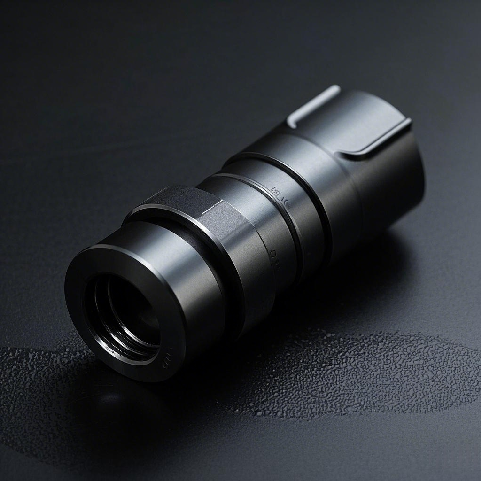
Hard anodizing is specifically tailored to enhance hardness and wear resistance, making it ideal for applications requiring mechanical durability.Regular anodizing, on the other hand, focuses more on corrosion protection and aesthetics, with a thinner oxide layer. The choice between these processes depends on the specific requirements of the application and the desired properties of the aluminum surface.
Suzhou Krosino Mechatronic Technology Co., Ltd: Innovations in Precision Manufacturing
A: Hard anodizing provides superior dielectric strength (800-1000 V/mil vs. 500-700 V/mil).
Hard anodizing is specifically tailored to enhance hardness and wear resistance, making it ideal for applications requiring mechanical durability.Regular anodizing, on the other hand, focuses more on corrosion protection and aesthetics, with a thinner oxide layer. The choice between these processes depends on the specific requirements of the application and the desired properties of the aluminum surface.
Suzhou Krosino Mechatronic Technology Co., Ltd: Innovations in Precision Manufacturing
Leave a Reply
Your email address will not be published.Required fields are marked. *